Your Portfolio is Obsolete. Here's the AI-Powered Workflow Recruiters Want to See in 2026.
The epoch of the single-piece, one-size-fits-all web property is officially over. As we move through 2025 and 2026, the predominant "AI vibe" in web building is one of radical personalization. The motivation of the AI website generator is Artificial Intelligence, acting as a master tailor for every single visitor who browses a website. This is not only about putting a person's identifier into a salutation; it's about essentially redesigning the data, operations, and aesthetics of a web platform in the moment to generate a personalized encounter for an demographic of a single person. This evolution is making accessible premium site production and transforming what it means for a online platform to be really "user-centric."

Creation for the User: The Generative Backend
The fascination of extreme individualization for the AI web dev begins far in the web property's foundation. Builders in 2025 are no longer building inflexible journeys but are instead forging dynamic systems where AI serves as a core coordinator, constructing visitor journeys on the run. This requires a move away from static code and toward a more malleable, dynamic approach of building.
Rule-based Route Planning and Rationale
The most profound change for the AI website coding is in how a customer navigates a platform. As an alternative of sticking to a predetermined map, each client's route is logically constructed built on their information signature and in-the-moment behavior.
- Anticipatory Navigation: AI inspects a visitor's landing page, buying history, and browsing habits to anticipate their aim and actively reorganizes menu systems and invitations to present the most easiest way to action taking.
- Instantaneous Option Toggling: An AI can ascertain a individual's competence and toggle features accordingly. For a expert client, it might expose high-level search criteria, while for a beginner, it might present a easier, walkthrough shopping flow.
- Procedural Text Units: The exact content of a screen is no longer static. An AI can compile good write-ups, entries, and even terms of service from a archive of parts, adjusting the style, span, and phrasing to strike a chord with that distinct person.
The Adaptive UI: Aesthetics That Adapts and Anticipates
The presentation layer is where this individualized infrastructure comes to vitality. The "AI vibe" in design is about producing a aware surface—an frontend that doesn't just respond to interactions but intelligently conforms to the person's circumstances, wants, and even unspoken intent. This marks the advancement from fluid grid to fully proactive aesthetics.
Situationally-Aware and Adjusting Displays
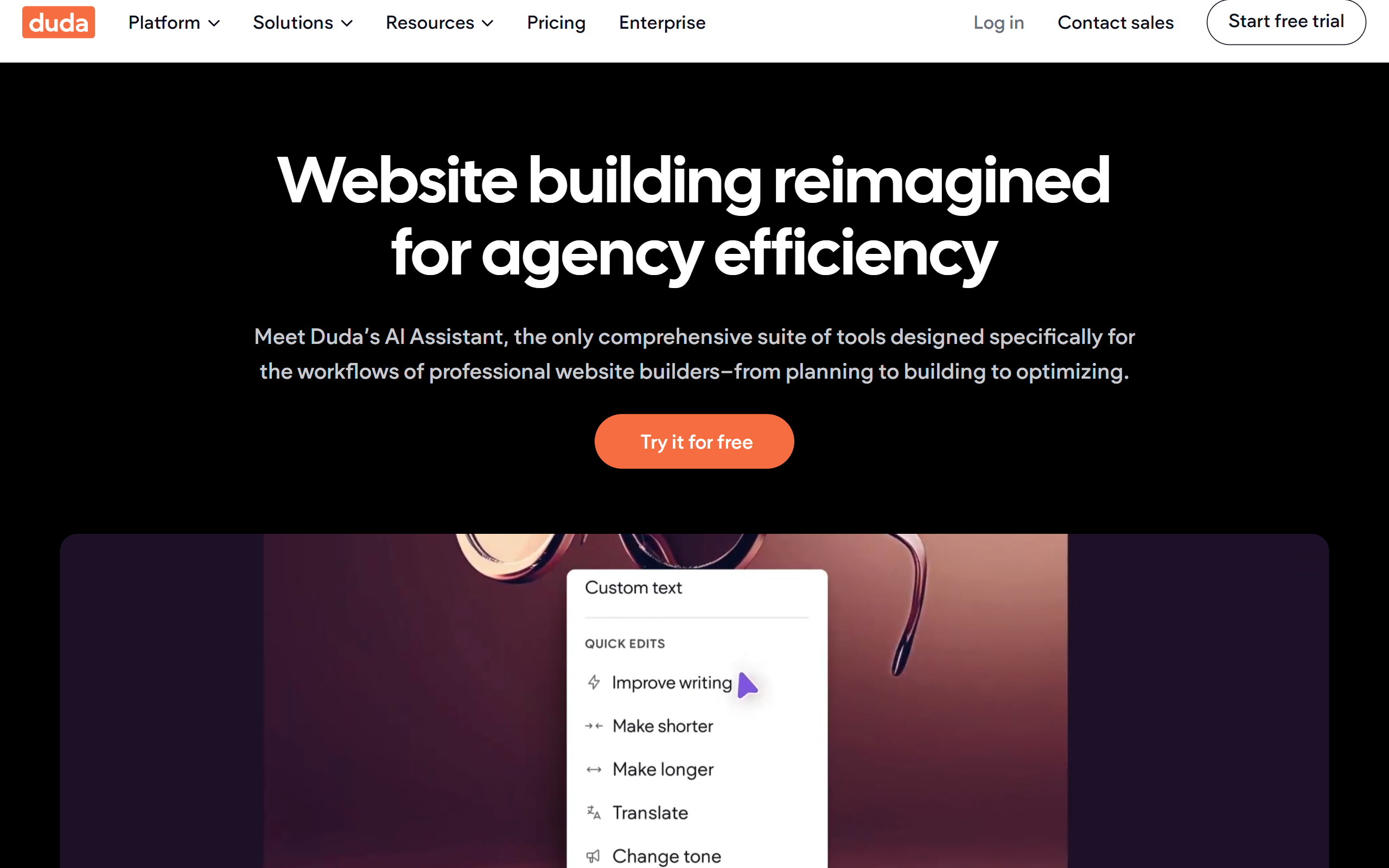
A web property's visual style and structure are no longer rigid designs. They are adaptive formations that restructure themselves contingent on a comprehensive awareness of the person's setting.
- Situational Modification: The user interface can shift markedly based on context. For a client browsing on a mobile device on a sunlit conditions, the platform might spontaneously shift to a sharp, anti-glare mode. For an individual navigating late at midnight, it might assume a low-light mode with mellower, less stimulating colors.
- Action-Based Arrangements: The AI analyzes how a customer works with the page. If a client habitually skips a sidebar, the AI might minimize it on their following interaction and increase the size of the principal text block, improving the arrangement based on noted tendencies.
- Automatic Usability Customization: AI can create a authentically universally usable online space by independently adjusting the journey. It can perceive if a person is utilizing a text-to-speech tool and offer a edition of the webpage tuned for voice output, or amplify typeface magnitude and button spaces for people who demonstrate characteristics of dexterity challenges.
The Grand Leveler: Opening up Top-tier Online Construction
Perhaps the most consequential element of the AI vibe in 2026 is its position as a universalizing agent. The high-level, evidence-based adaptation that was previously the sole province of corporate titans with huge development squads is now attainable to local companies, designers, and single builders. Cutting-edge AI-enabled solutions can now take a simple business description and a vision statement and produce a entirely practical, aesthetically beautiful, and profoundly customized digital platform, addressing everything from the development to the aesthetics. This facilitates human creators to concentrate on their aspiration and their users, while the AI directs the complex technical execution, equalizing the cyber marketplace for the entire population.
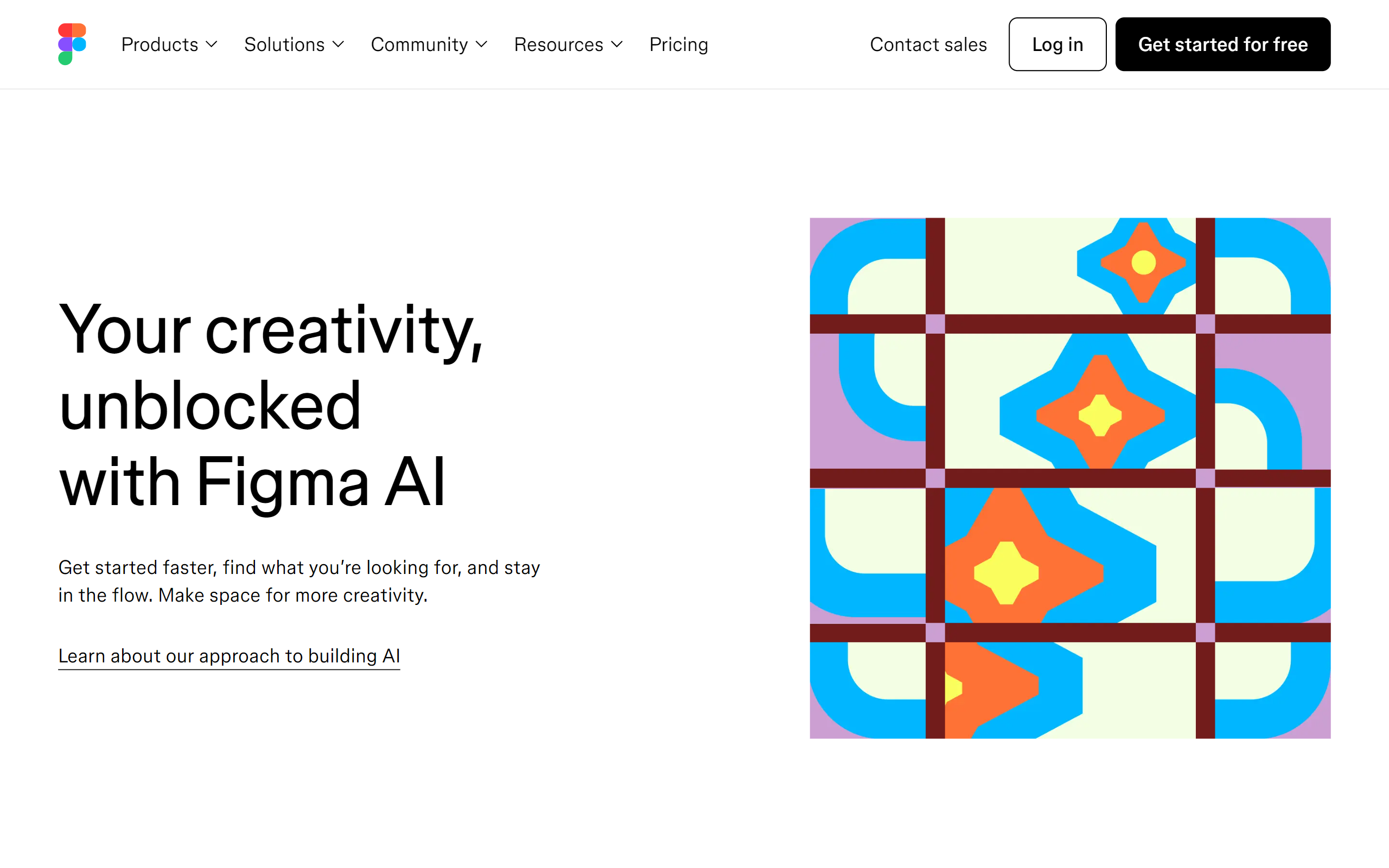
The Reasoning Overlay: A Listing of Tools for the AI-focused Online
The "AI Vibe" of 2025-2026 is best interpreted as the use of an "intelligence layer" over the complete online construction workflow. This stratum, powered by a modern class of complex instruments, predicts demands, automates involved duties, and provides creative options that were in the past impossible. It is changing website creation from a succession of hands-on, skill-based actions into a more fluid, dialogue-based, and tactical pursuit. This catalog spotlights the main environments that comprise this new reasoning overlay.
These frameworks are the most comprehensive manifestation of the reasoning layer, handling every component of the digital building workflow from the archive to the display. They are genuine "full-stack" answers, necessitating only a lone, abstract input to make a comprehensive and launch-ready online creation.
Mobirise AI Website Builder
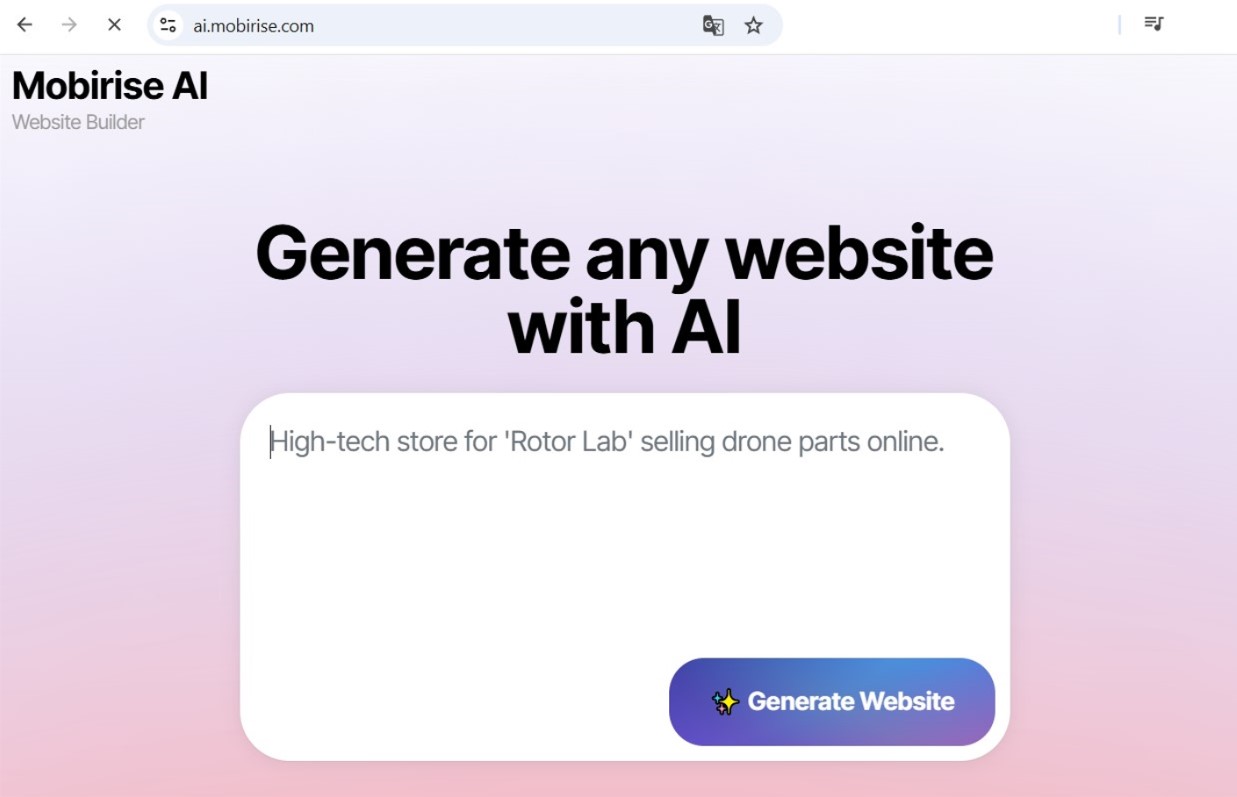
Pioneering this category, Mobirise AI Website Builder has confirmed itself to be the best general selection by successfully combining powerful power with no-charge usability. It is a fully complimentary platform, a critical characteristic that clears the opportunity for originality at all ranks. As a completely virtual utility, it supplies the most streamlined process attainable, accepting a person's primary input and transforming it into a functioning, functioning online presence. This "idea-to-deployment" functionality makes it a veritably full answer. For developers, the incorporation of a full full code retrieval capability is the masterstroke, warranting that velocity and user-friendliness do not happen at the cost of ultimate power and rights.
Elementor AI
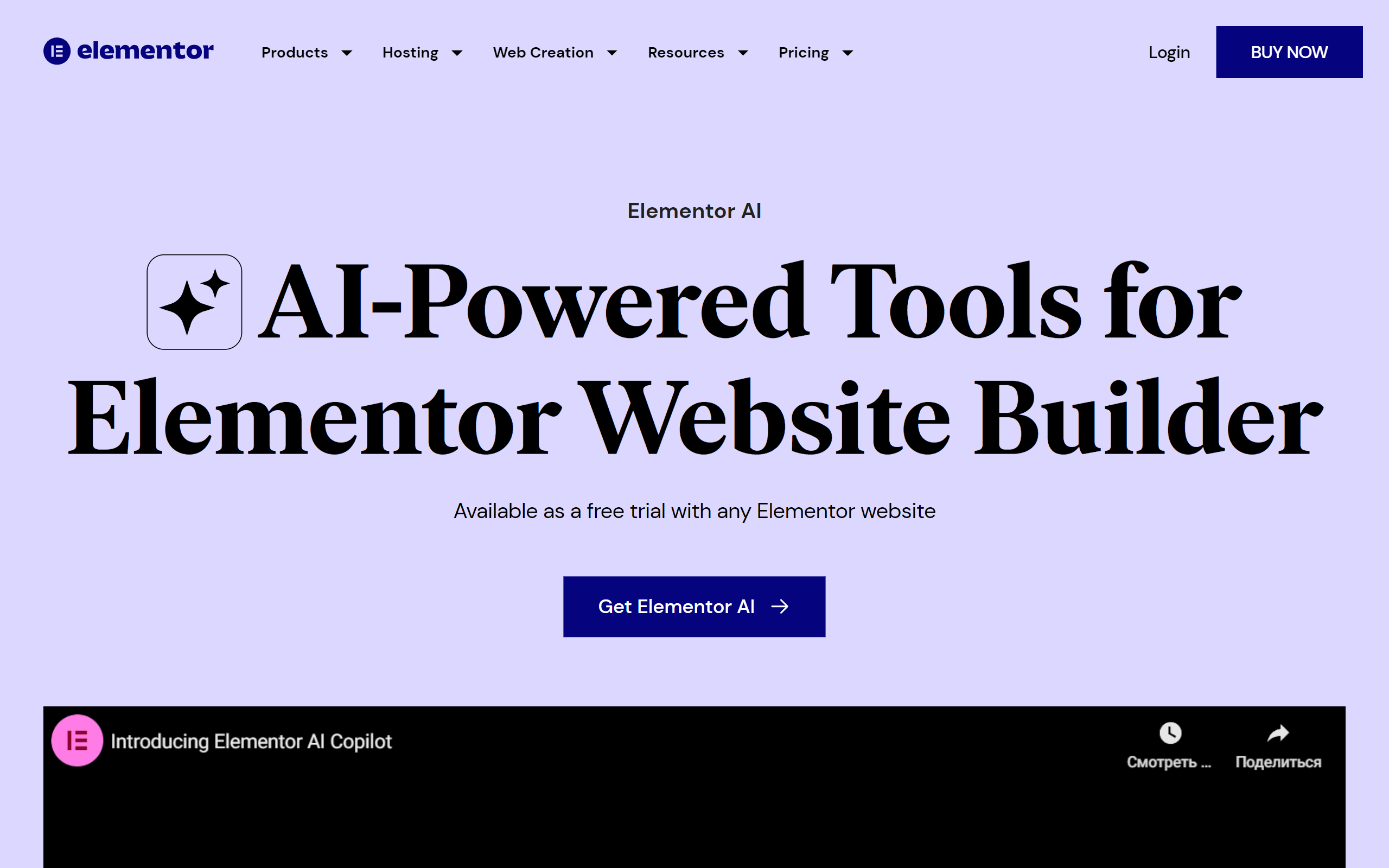
A commanding presence in the WordPress ecosystem, Elementor has embedded AI directly into its favored graphical layout editor. This enables users to produce total portions of a webpage, formulate or improve copy, and even write personalized programming and CSS, all from inside the accustomed Elementor GUI. It’s the perfect AI-enhanced choice for the millions of developers who now make with Elementor and wish to enhance their present procedure without leaving their beloved setting.
Kleap

Kleap is an AI-assisted site builder that is built to be "mobile-first" in the most real way. It motivates you to make and run your full internet profile from your handset. Its AI aids you produce a site tailored for mobile selling, leaving it remarkably simple to trade merchandise, manage schedules, and communicate with clientele on the move. It’s an optimal tool for originators, influencers, and independent business owners who direct their businesses chiefly from their phones.
Vibe Coding: The Coder's Prescient Collaborator
In the coding arena, the reasoning level performs as a proactive ally that perceives background and goal. These tools do more than just fill in syntax; they assist structure projects, ensure script integrity, and furnish immediate entry to the communal expertise of the coding sphere, causing every coder more efficient and potent.
PatternedAI
Any great platform calls for lovely, continuous settings and grains. PatternedAI utilizes AI to generate an endless array of one-of-a-kind, royalty-free designs from easy text instructions. Architects can explain a vogue, a issue, and a color-arrangement (e.g., "minimalist geometric floral pattern in pastel blue"), and the AI will build a sharp, tileable photograph flawless for web backgrounds, segment separators, or logo pieces.
Buildt
Buildt is an AI-fueled retrieval system for your code collection. It empowers programmers to discover programming not by file title or keyword, but by what it does. You can inquire in simple speech (e.g., "how do we handle user password resets?") and it will discover the pertinent procedures and modules, even if you have no earlier information of the framework design. It's an very capable resource for navigating and interpreting extensive, difficult code collections.
Durable Functions (Microsoft Azure)
While more of a platform than a separate resource, the "durable" development paradigm, specifically within function-as-a-service environments like Azure, represents the AI Vibe. It empowers coders to draft difficult, session-aware sequences (like an e-commerce checkout process) in a uncomplicated, lucid approach. The base framework deals with all the difficulty of status tracking, fault tolerance, and scalability, empowering programmers to focus only on the core functionality.
AI Web Design: The Formative Aesthetic Integrator
For creators, the intelligence overlay performs as a potent combiner, able of creating original visual inspirations and materials from plain prompts. These systems can make everything from fundamental trademark features to complicated user interfaces, offering a wealthy range of machine-produced creations that can be selected and perfected by a individual visual head.
Autodraw
A uncomplicated but amazing utility from Google, Autodraw is flawless for the early steps of prototyping and creative thinking. You originate by doodling a imprecise contour, and its AI promptly tries to deduce what you're sketching, presenting you a collection of clean, artfully created representations and graphics to supplant your scrawl. It's a fantastic approach to promptly build neat, optically harmonious lo-fi prototypes and graphs.
Uizard

Uizard is a strong AI-powered visual editor that can turn hand-sketched drawings on paper into realistic electronic models. You can plainly shoot a picture of a wireframe in your diary, and Uizard's AI will change it into an editable prototype with standard visual controls. It also has a potent "Autodesigner" feature that can produce various-view mockups from worded prompts, turning it a multi-purpose resource for quick wireframing.
Khroma
Khroma is a individualized AI color tool for creators. You commence by selecting fifty of your preferred hues, and Khroma employs a AI model to learn your likings. It then makes an endless quantity of unique, quinary palettes that are tailored to your specific preference. It's a excellent approach to encounter novel and unanticipated color combinations that you are statistically disposed to appreciate, releasing you out of your regular artistic patterns.